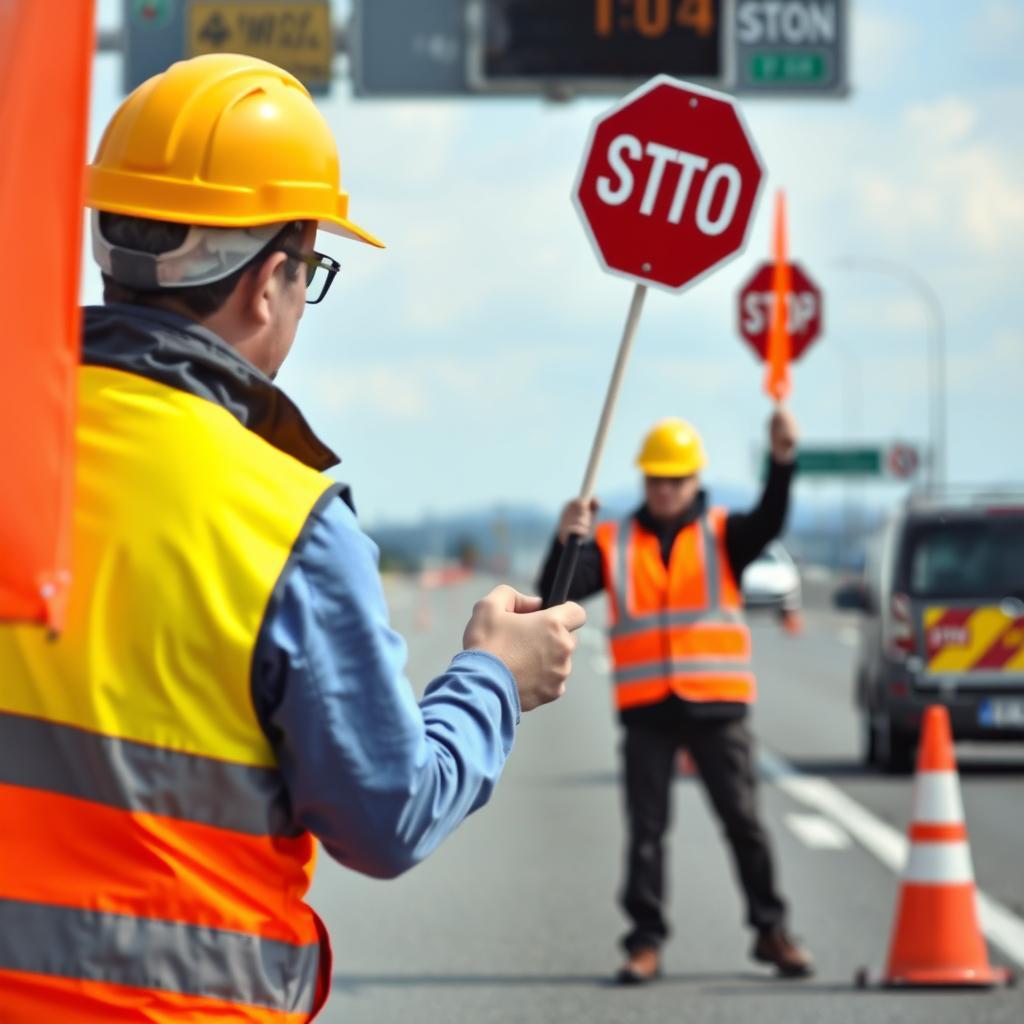
Traffic Control Contractor Insurance
Protect your flaggers, fleet, and company from the industry's highest-risk exposures, with coverage built by people who understand live-traffic work zones.
Why Traffic Control Insurance Is Different
Generic contractor policies were never written for crews who stand in live traffic. The risk profile is unique, and so should be your coverage.
Live-Traffic Exposure
Your people work inches from moving vehicles. A single struck-by incident can trigger a seven-figure claim, so your liability and comp limits must be built for it.
DOT Compliance Requirements
State DOTs and prime contractors mandate specific limits, additional-insured endorsements, and certificates. Miss one and you lose the bid.
High-Frequency Small Claims
Damaged signs, sideswiped pilot cars, and minor injuries add up. The right program controls frequency without pricing you out of work.
Insurance Built for Your Operation
Every coverage a traffic control or flagging contractor needs to work, bid, and grow with confidence.
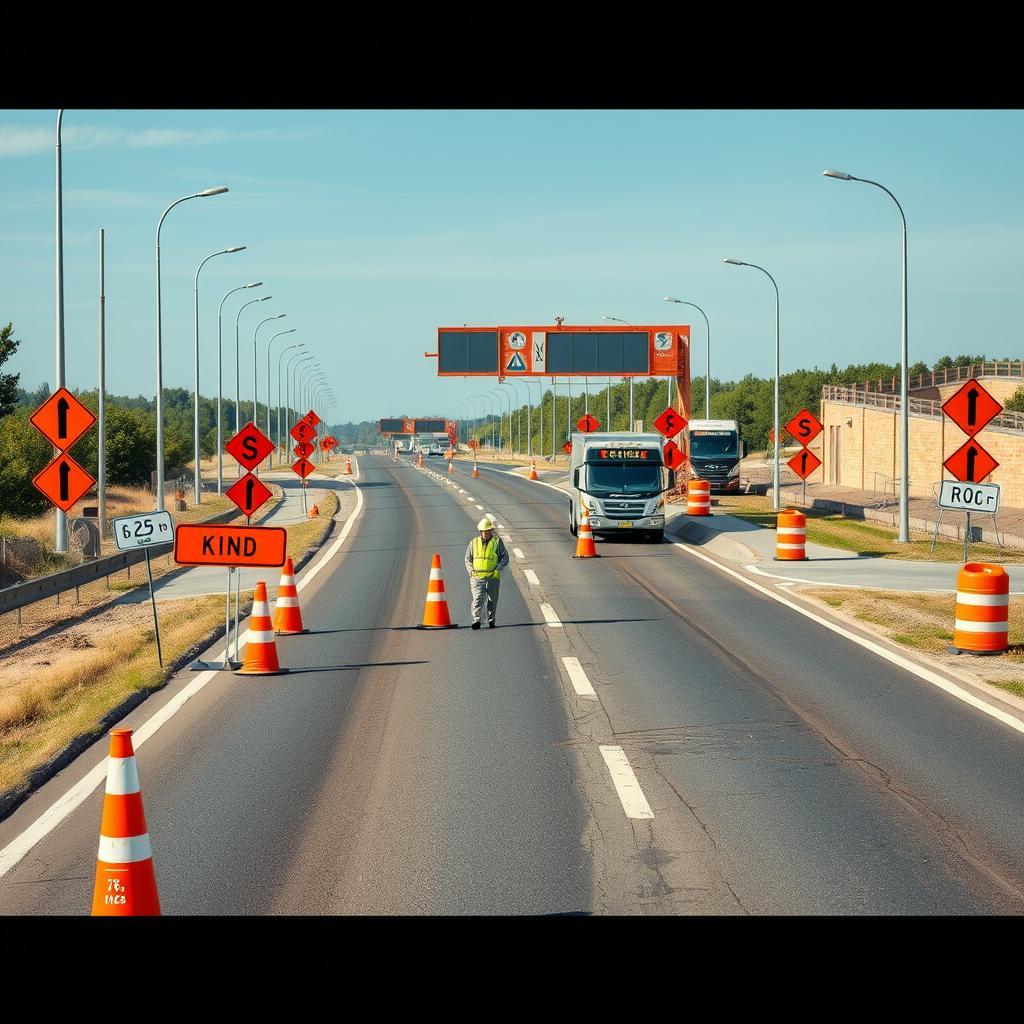
Protection Across Every Work-Zone Risk
- Bodily injury to motorists, pedestrians, and other contractors in your work zone
- Property damage to vehicles, road equipment, and adjacent property
- Flagger injuries from being struck by vehicles entering the work zone
- Vehicle accidents involving pilot cars, sign trucks, and crew transport
- Theft or damage to arrow boards, cones, signs, and traffic signals
- Excess liability to satisfy state DOT and prime-contractor requirements
- Completed-operations claims after a project wraps
- Defense costs and legal fees from work-zone lawsuits
Three Steps to Getting Covered
Tell Us About Your Operation
Share your crew size, equipment, vehicles, and the DOT contracts you bid on. Takes two minutes.
We Match You to the Right Carriers
Our specialists shop A-rated carriers that actually understand traffic control and flagging risk.
Get Covered & Win More Bids
Receive your certificate fast, hit DOT insurance minimums, and qualify for bigger projects.
Traffic Control Insurance Questions
What states require traffic control companies to carry insurance?+
Effectively all of them. Every state DOT and nearly every prime contractor requires traffic control and flagging subcontractors to carry general liability (often $1M–$2M per occurrence), workers compensation, and commercial auto before you can step onto a job site. Many large interstate contracts also require $2M–$5M in umbrella/excess coverage.
Do individual flaggers need their own coverage?+
If flaggers are W-2 employees, they are covered under your workers compensation and general liability policies. If you use 1099 subcontractors, each crew may need its own coverage or occupational accident insurance, and you should require certificates of insurance from any subcontracted flagging crews to avoid gaps.
Why is workers comp so expensive for traffic control?+
Flagging is statistically one of the most dangerous jobs in construction because workers stand in live traffic. That drives higher comp class codes and rates. The fix is proper classification, documented safety programs, and shopping carriers that specialize in road and highway work, which is exactly what we do.
Does general liability cover a motorist who crashes in my work zone?+
Your general liability responds to third-party bodily injury and property damage claims that arise from your operations, including incidents involving motorists in a work zone you set up. Coverage specifics depend on fault and policy terms, which is why proper limits and an experienced agent matter.
Can you cover my arrow boards and traffic equipment?+
Yes. Inland marine / contractors equipment coverage protects arrow boards, portable traffic signals, message boards, sign trailers, and cones against theft, vandalism, and damage, on the job site, in transit, and in storage.
How fast can I get a certificate of insurance?+
We turn most quotes around in about 15 minutes and can issue certificates of insurance quickly so you never lose a bid waiting on paperwork. Call us at 844-967-5247 and we will get moving.
Get Your Free Traffic Control Insurance Quote
Tell us about your crew and equipment. A licensed specialist will build a tailored program and get you a certificate fast, so you never lose a bid to a paperwork delay.

Protect Your Crew, Fleet & Contracts
Get a tailored traffic control insurance quote from specialists who understand work-zone risk. Fast, no-obligation, all 50 states.